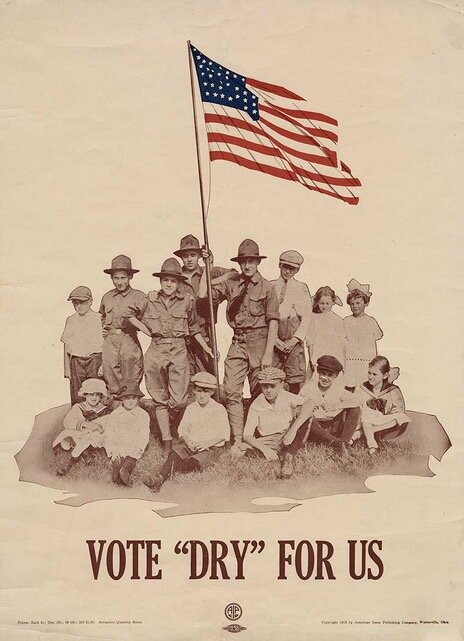
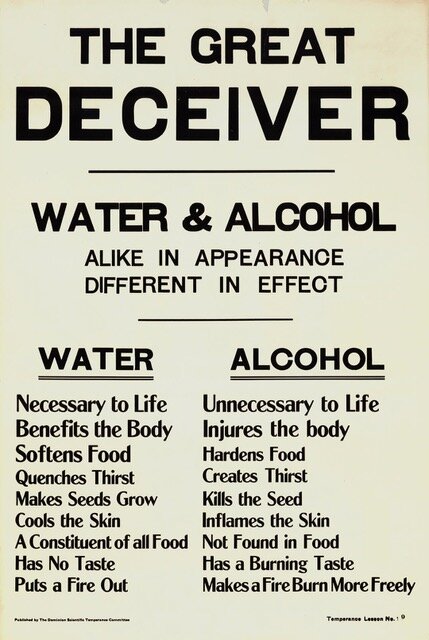
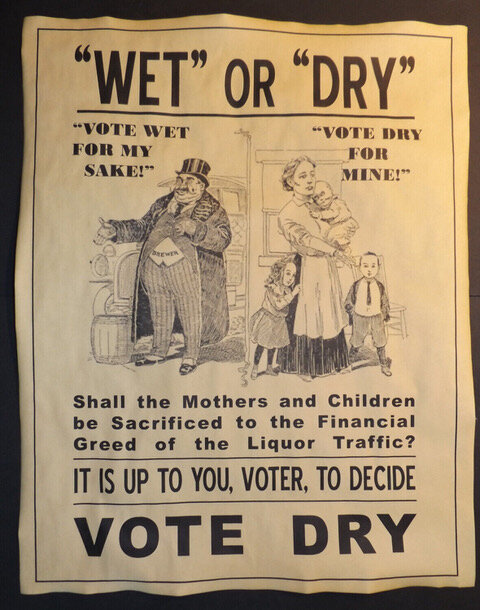
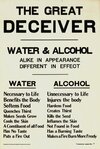
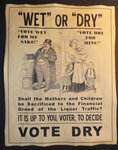
We know one of the most controversial amendments to our U.S. Constitution was the 18th Amendment, ratified in 1919, prohibiting the manufacture, sale and transportation of intoxicating liquors. The amendment was ratified in 13 months making it one of the fastest ratification processes ever in our country. Minnesota was one of 36 ratifying states, but oh what a battle raged in the years before the 18th amendment became a reality.
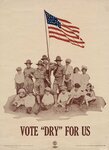
We have deep political division today, but the fight about a “wet” vs. “dry” village in the early 1900’s was just as polarizing in West Concord and across the country. In March of 1908 the proposition of a “saloonless” village had been brought to the ballot in West Concord and defeated by 24 votes. Some of the voters who preferred a village with saloons did so because saloons paid significant license fees and taxes to the town and helped maintain and finance new improvements for the village. Those who wanted a dry town mostly were motivated by temperance and morality reasons.
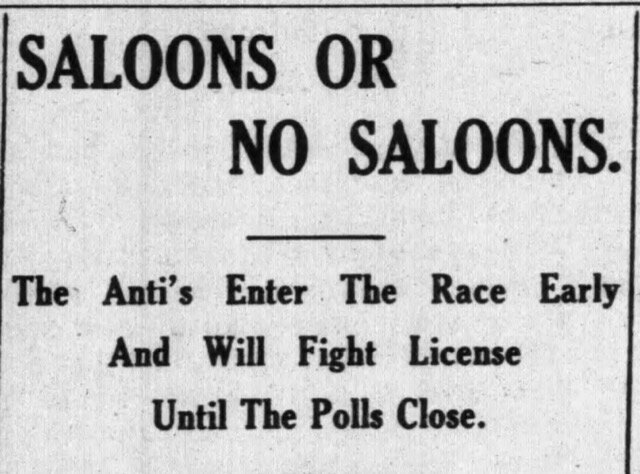
By the time October of 1909 rolled around, the anti-saloon movement in West Concord was in full force. In an article on the front page of the October 28 paper, “Saloons or No Saloons”, the “dry” proponents set forth their reasons for believing that a “dry” West Concord would prevail in the upcoming March election. The Enterprise reported that “The Anti-Saloon License people of West Concord are quietly organizing and intend to make a strong fight against license at the Spring Election.”
By January of 1910 The Enterprise reported that they’d never seen the temperance movement get off to such an early, organized start. They were even going door to door in West Concord to find out how people planned to vote in the spring. Their arguments against granting saloon licenses included their belief that since West Concord now had a lighting plant, waterworks, cement walks and more—there was no longer a need for license fees to keep taxes down. Their other arguments were practical, too. If a man wasn’t spending his dollars drinking and treating others at the Saloon, that money could be spent for the home. The Enterprise said the temperance folks “were working like beavers” and mass temperance meetings should be expected at the town’s churches until the election. All the work of the “dry” advocates came to naught as “keeping the saloons” won by 15 votes, but 9 votes closer to victory than just two years before.
In a front page article on February 27, 1913, the Enterprise laid out exactly how it felt about the issue. They had received this letter from a correspondent: “Where does the Enterprise stand on the liquor question? Are you afraid to state whether you favor License or No License, because perhaps it might affect your business?” In a long response the newspaper included these words: “The Enterprise emphatically stands for “No License”. Is that plain enough? But the fact remains that we believe every voter in this town has fully made up his mind how he will vote on the question, and no amount of argument from us would change their opinion. The almighty dollar cuts such a figure with some men, that to reduce their taxes 25 cents they would vote for the saloon, even tho it ruined their home, their son, or other near relative. They fully admit that the saloon
is of no benefit to a community, but then add, “We need the license money for town improvements.”
An account of a 1913 Anti-Saloon Rally at the Baptist Church in West Concord, reported that the evening closed with West Concord’s favorite soloist, Mrs. C.W. Pendergast, singing “He’s a Drunkard Tonight” from the Anti -Saloon League’s song book. To give you an idea of the rallying cries of the movement, here are the words to
the chorus:
“Pity the boy! Pity the boy!
Angels might weep at beholding the sight;
Oh! How I’d loved him, the child of my heart,
Yet, oh my God, he’s a drunkard tonight!”
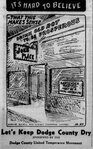
On March 11 the village election was held and this time the “Dry” vote was the majority, by 9 votes. West Concord joined Hayfield, Kenyon, and Dodge Center in being dry villages, while Nerstrand and Claremont were still wet. It wasn’t long before the State Legislature passed a bill allowing counties to hold “Dry Option” elections. Such an election was held in Dodge County on June 17 of 1915 and the county villages and townships overwhelmingly voted to “go dry”. The Enterprise stated, “Never again will the licensed saloon do business in Dodge County.” We know that prophecy didn’t hold true, but soon Federal Prohibition meant that city and county fights were over until Prohibition was repealed in 1933 under Franklin Roosevelt’s presidency. Prohibition didn’t work because people kept drinking anyway. Speakeasies sprung up everywhere and gangsters flourished. Enforcement was impossible and citizens felt their liberty had
been taken from them. Without a legal alcohol industry many jobs were lost.
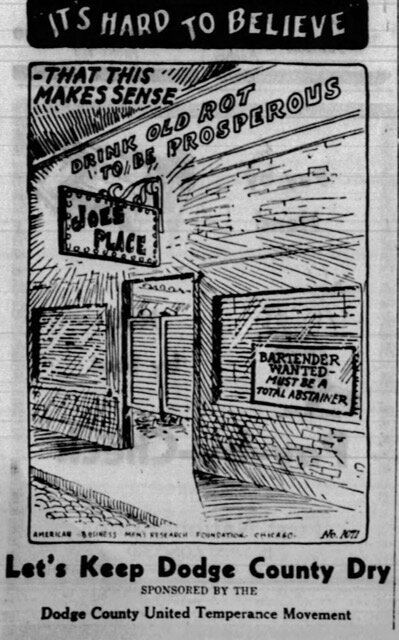
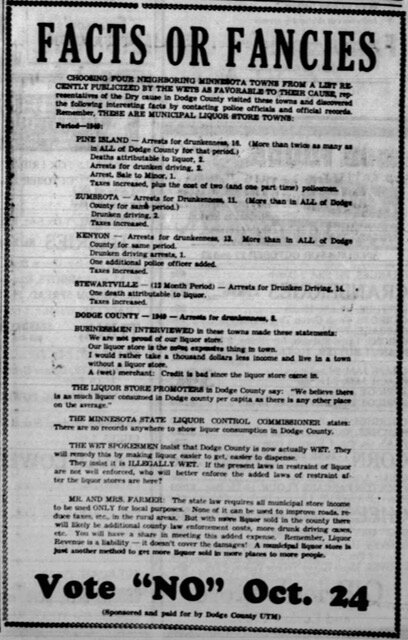
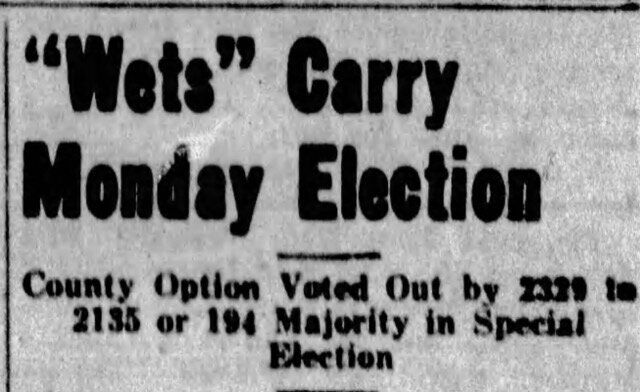
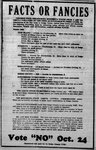
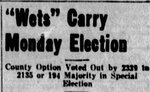
Counties and villages in Minnesota could choose to remain dry after Prohibition was repealed and Dodge County remained dry until 1949. At a county election in October of that year, the “Wets” won the election by 194 votes out of a total of 4464 votes cast. Just two months later in the December 22 Enterprise, the headlines were “Liquor Store to Open Soon”. West Concord’s first municipal liquor store was to be located in the former Ken’s Cafe building. A manager from Northfield with experience was hired and stock was to arrive any day. “Shorty” Pillion who had operated Ken’s Cafe was hired as a bartender, and according to the newspaper, “There will be booth service and there will be lady attendants to care for this end of the business.”
The September 9, 1954 Enterprise reported that the 1911 City Hall was being remodeled and that the old upstairs gallery section would be occupied by the Public Library with its own entrance. The main floor auditorium would be sectioned off and the Municipal Liquor Store would be located on the west side while the east side would be used for city council meetings and elections. It was a very busy place! Of course today the Library and City Hall have moved but the “Muni”, as it is known, is still in place. What a journey!