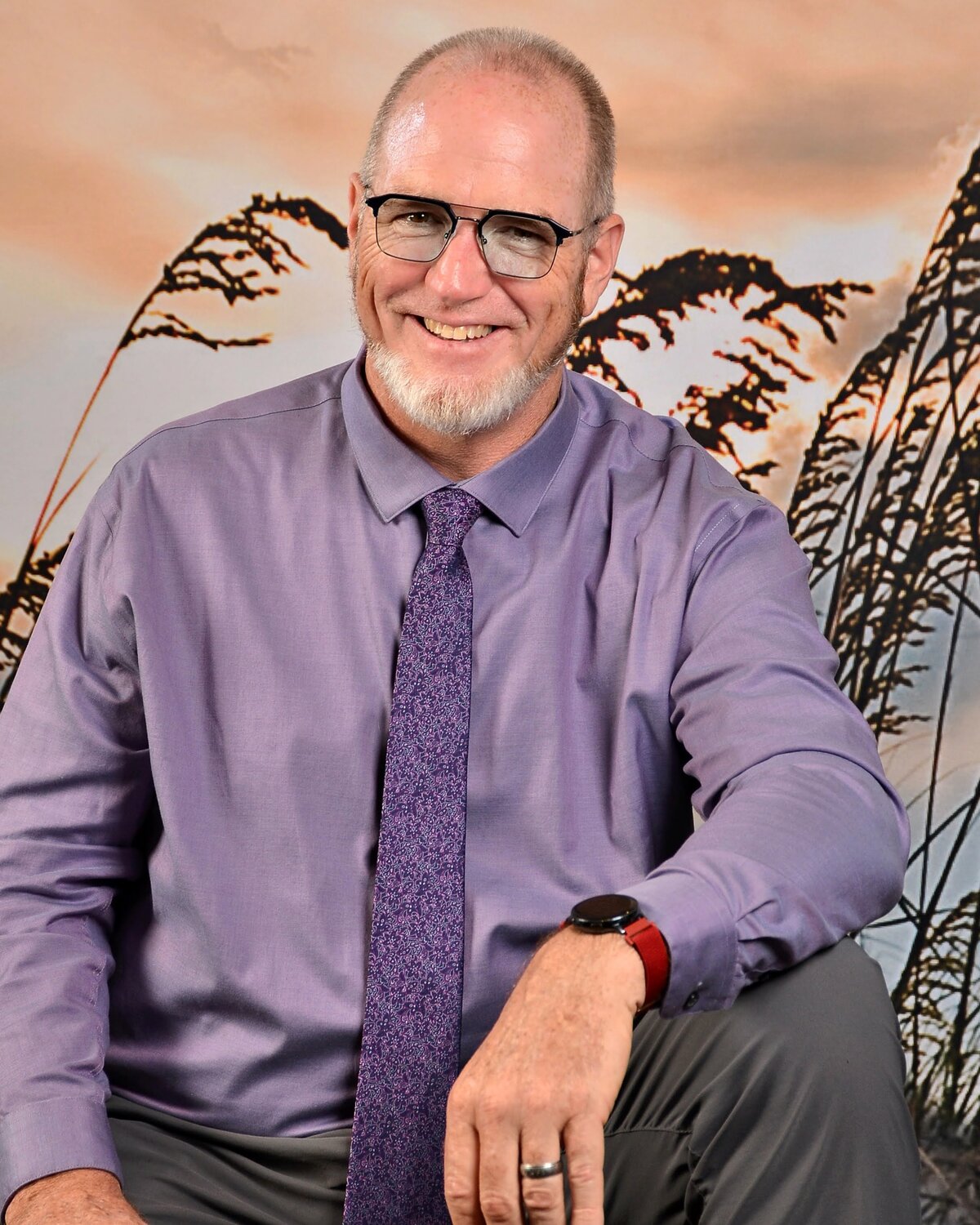
As a pastor serving our community here in southern Minnesota, I've watched with a heavy heart as recent events unfold. Federal agents from U.S. Immigration and Customs Enforcement (ICE) descended on Minneapolis in a major crackdown, deploying over a thousand officers to apprehend undocumented immigrants, many with criminal records but others caught in the broader net of enforcement. This operation, part of the Trump administration's escalated immigration policies, has sparked protests and tense standoffs in urban neighborhoods. Families are separated, communities divided, and unrest simmers, echoing from 2025 against mass deportations. In Dodge County, we feel the ripples: local farms reliant on immigrant labor face uncertainty, and churches grapple with how to minister amid fear and division.
Yet, as followers of Christ, we are called to a higher perspective—one that views such turmoil through the lens of our "slave nature." The Apostle Paul, writing to the Romans, declares: "But now you are free from the power of sin and have become slaves of God. Now you do those things that lead to holiness and result in eternal life." (Romans 6:22, NLT). Here, "slaves" (doulos in Greek) isn't about oppression but voluntary bondservice—a total surrender to Christ's lordship. Unlike earthly bondage, this slavery liberates us from sin's tyranny, binding us to righteousness, love, and obedience. Paul himself identified as a "slave of Christ Jesus" (Romans 1:1), modeling humility and submission even under Roman rule.
This slave identity corrects our response to government policies like ICE's actions. Scripture commands respect for authority: "Let every person be subject to the governing authorities. For there is no authority except from God, and those that exist have been instituted by God" (Romans 13:1). In a democracy, this includes upholding laws on immigration, which aim to protect borders and communities. The recent Minnesota operation targeted individuals with serious convictions, such as murder, aligning with public safety goals. Blind rebellion against such enforcement only fuels chaos, as seen in the 2025 protests that turned violent, damaging property and deepening divides.
But submission isn't passive complicity. Christian character demands correction where policies stray from God's heart for justice and mercy. The prophet Micah urges: "He has told you, O man, what is good; and what does the Lord require of you but to do justice, and to love kindness, and to walk humbly with your God?" (Micah 6:8). Jesus Himself welcomed the stranger: "For I was a stranger and you welcomed me" (Matthew 25:35). In the face of ICE's broad sweeps—evident in California's 2025 raids that upended lives and sent National Guard troops to Los Angeles—we must advocate for humane reforms. Family separations, prolonged detentions, and the "deportation-industrial complex" funded by massive 2025 budget increases raise ethical concerns, treating image-bearers of God as mere statistics.
As slaves of Christ, Christians should model holy compassion and unconditional love to all people. Examples like William Wilberforce, a devout believer, campaigned against slavery in Britain, blending submission to law with Godly advocacy for the oppressed. Today, amid 2026's humanitarian challenges, we can pray for leaders (1 Timothy 2:1-2), support legal aid ministries, and vote for policies that balance security with compassion. Local churches in Minnesota are already stepping up, offering immigration services and resources for affected families, turning unrest into opportunities for gospel witness.
Ultimately, our slave nature to Christ transforms unrest into redemption. It curbs reactionary anger, fostering peaceable lives that "quietly respect" authority while boldly pursuing justice (1 Thessalonians 4:11). In this divided season, let us embody the corrective power of Christian character—not as agitators or enablers, but as servants who point policies toward God's kingdom values. May our witness heal wounds, bridge divides, and reflect the One who set us free to serve.