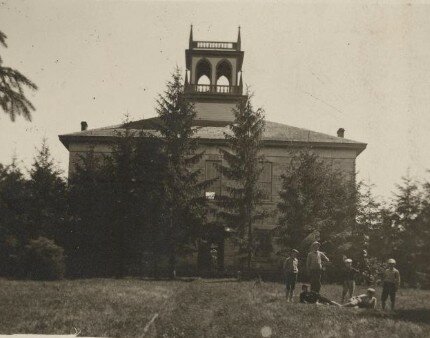
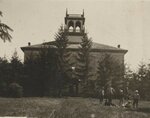
In December of 2023 Dodge County received a $2.1 million grant to preserve the Wasioja Seminary building ruins. The Wasioja Seminary was built in the late 1850’s from limestone quarried nearby and opened as an educational institution on November 12, 1860. It was established as a secondary school to prepare students for college. The small building enrolled over 300 students in 1860. At that time Wasioja was a thriving community with a population of 1,000 and hoped to become the county seat. The outbreak of the Civil War saw 80 of the local students join to fight for the Union forces. The were part of the Minnesota Infantry and tragically only thirty returned from the war. The loss of teachers and students created a decline the school never recovered from. By 1894 the proliferation of free local high schools caused the Wasioja Seminary to close for good. With the loss of the railroad and Mantorville being chosen as the county seat, the small town withered away into history. On November 18, 1905 a fire destroyed the wooden part of the structure leaving weather and years to breakdown the old limestone walls.
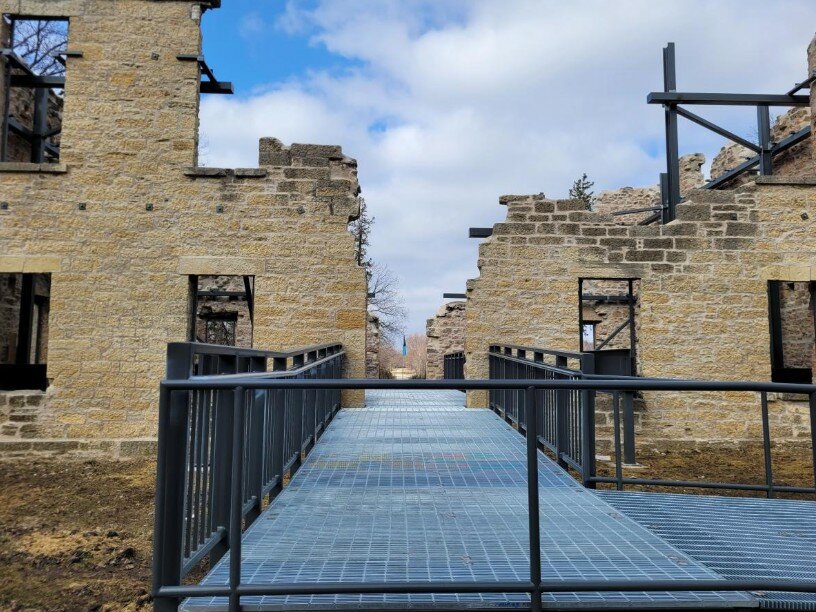
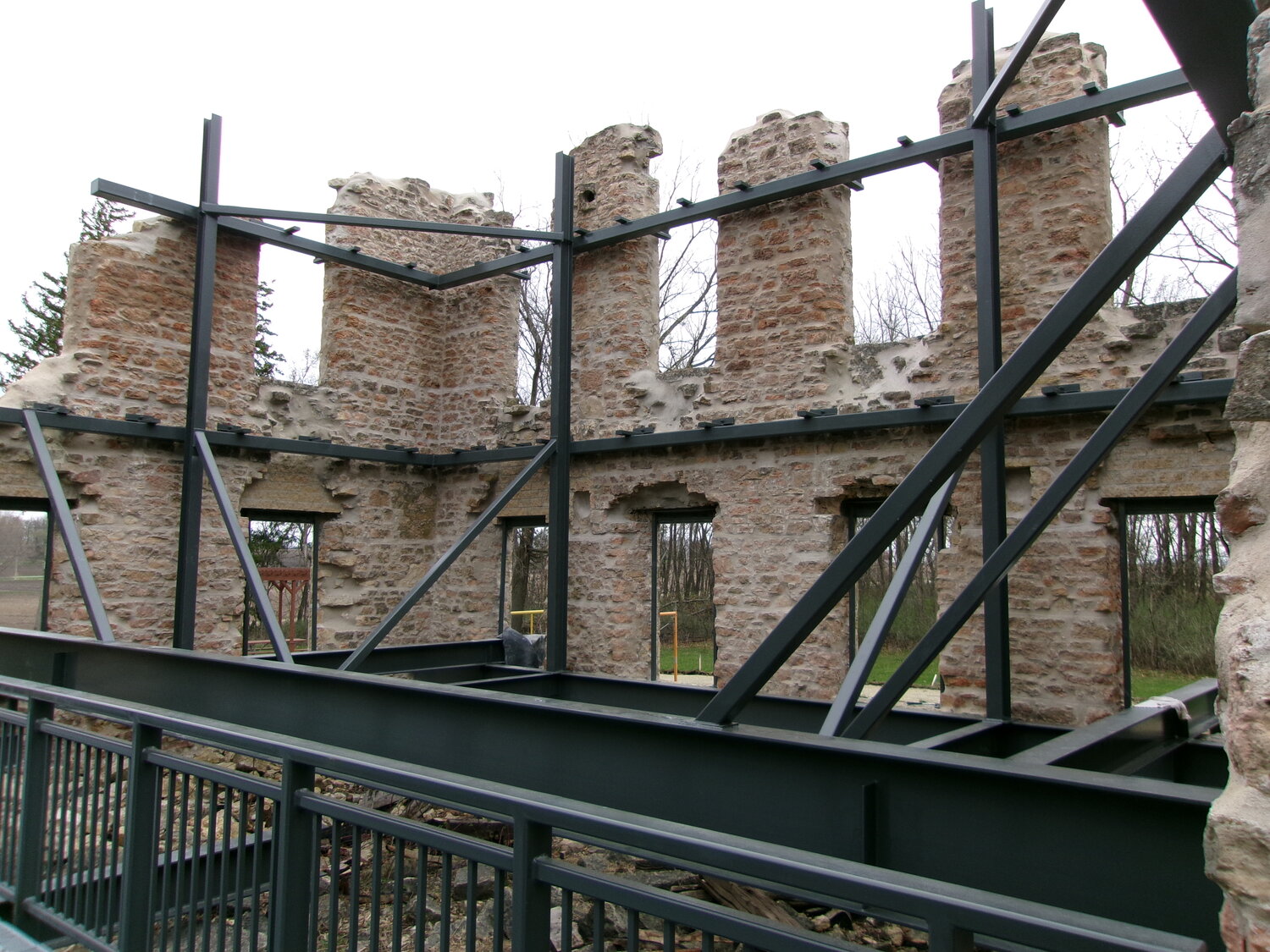
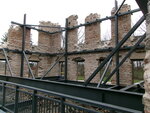
With the grant funds the Wasioja Seminary ruins will be preserved for future enjoyment of the historical treasure. There were three phases to the project. The first was to stabilize the limestone walls with wooden timbers while the work was completed. The block walls were cleaned and grouted and a permanent stabilizing metal structure installed. A steel walkway has been built through the ruins and a perimeter fence will be erected.
On March 15, 2024 the work commenced to assess the area and erect the temporary wooded stabilizing beams. In April an archeological dig around the ruins assessed if there were any historical artefacts that would be destroyed or impacted by the construction activities. Finding nothing which dated prior to the 1905 fire it was deemed safe to proceed.
By the fall of 2024 the footings and temporary scaffolding was installed and the limestone blocks were repaired and grouted. A portion of the front wall was determined to be beyond salvage and was removed for safety reasons. In the summer of 2025, the permanent steel beams and less visible steel support structure was installed and the temporary wood beams removed. The installation of the steel walkway began so that visitors may safely enter and walk through the ruins. This will preserve the site and allow future generations to enjoy and learn about our historical past.