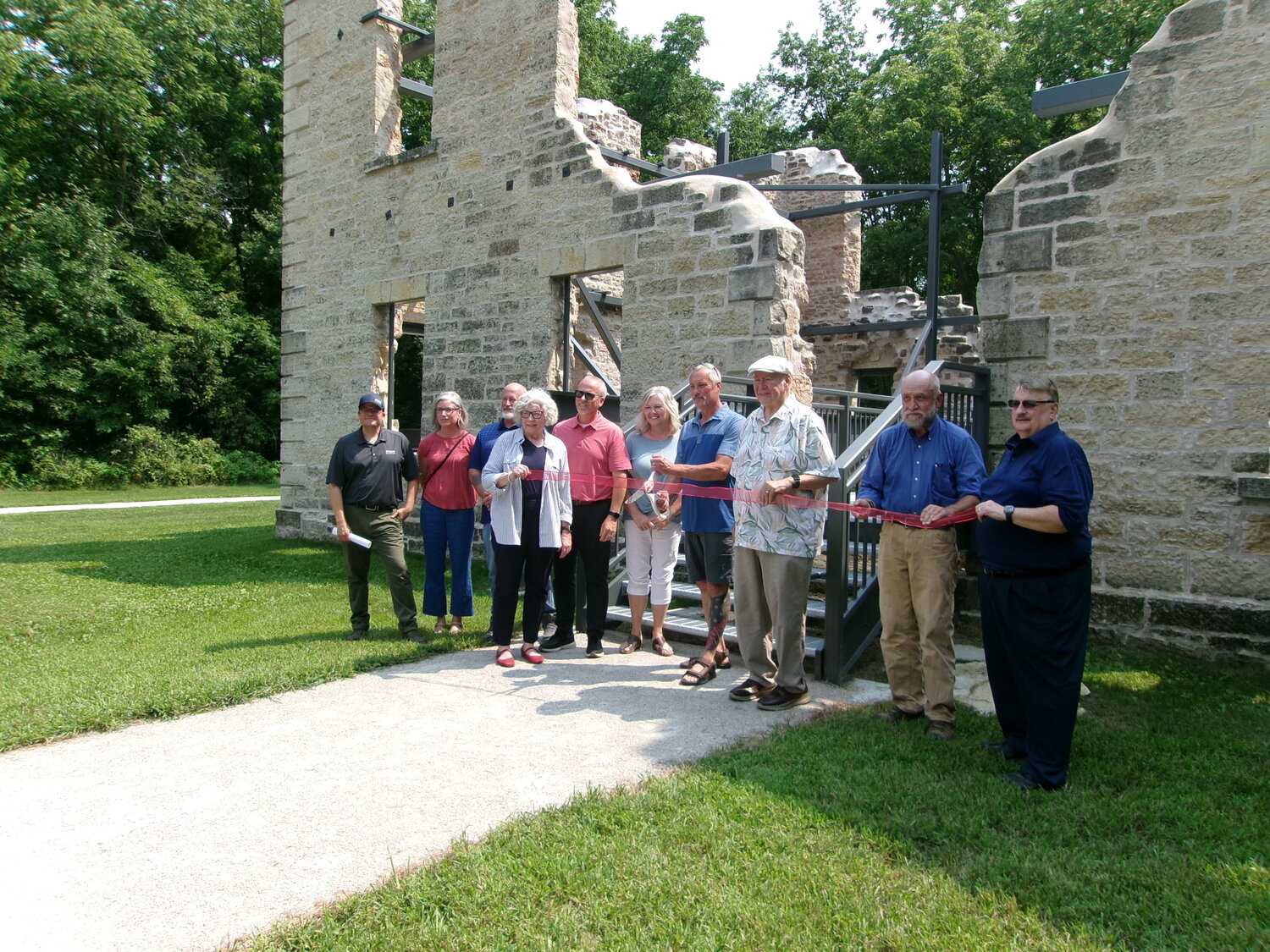
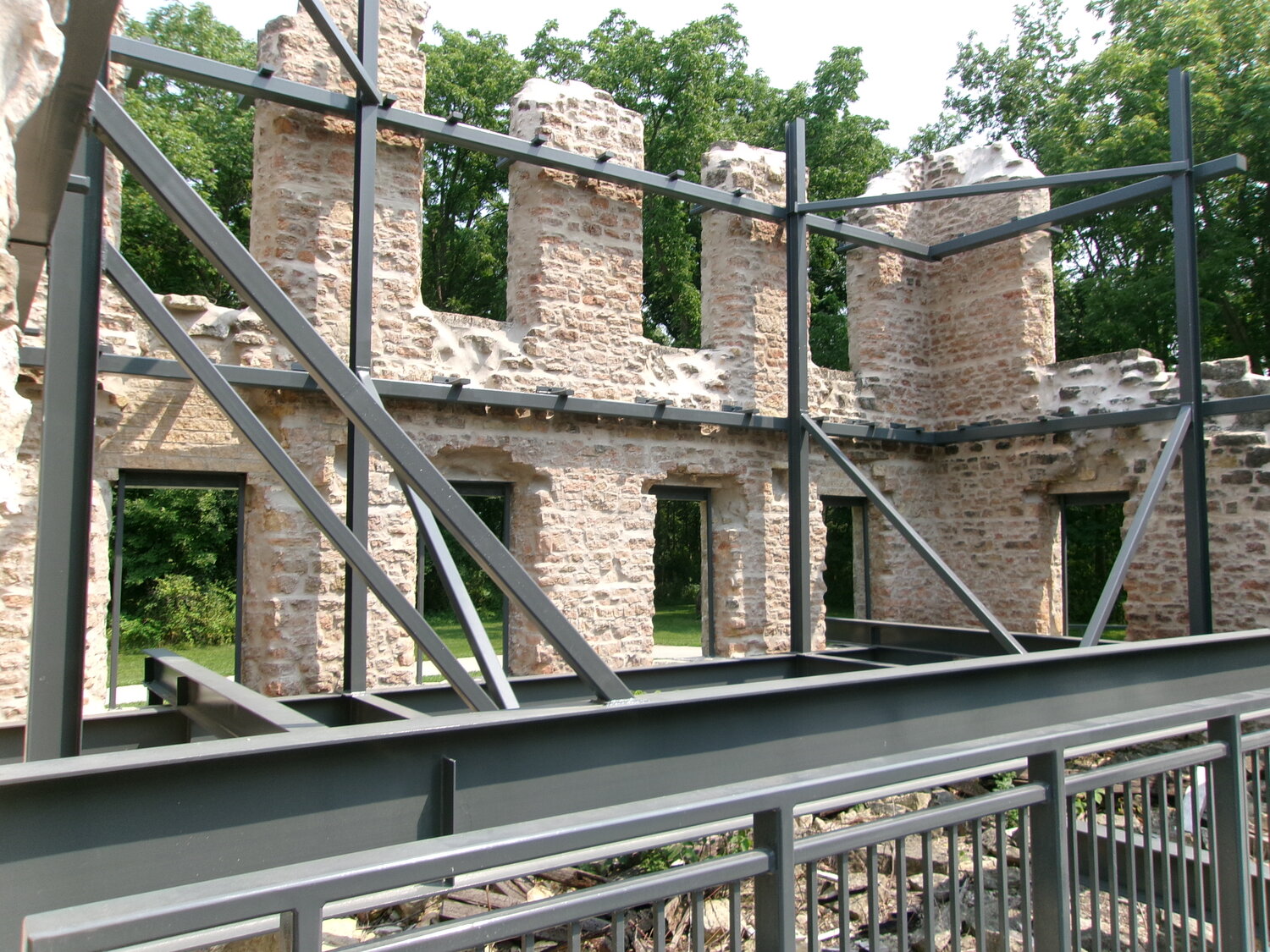
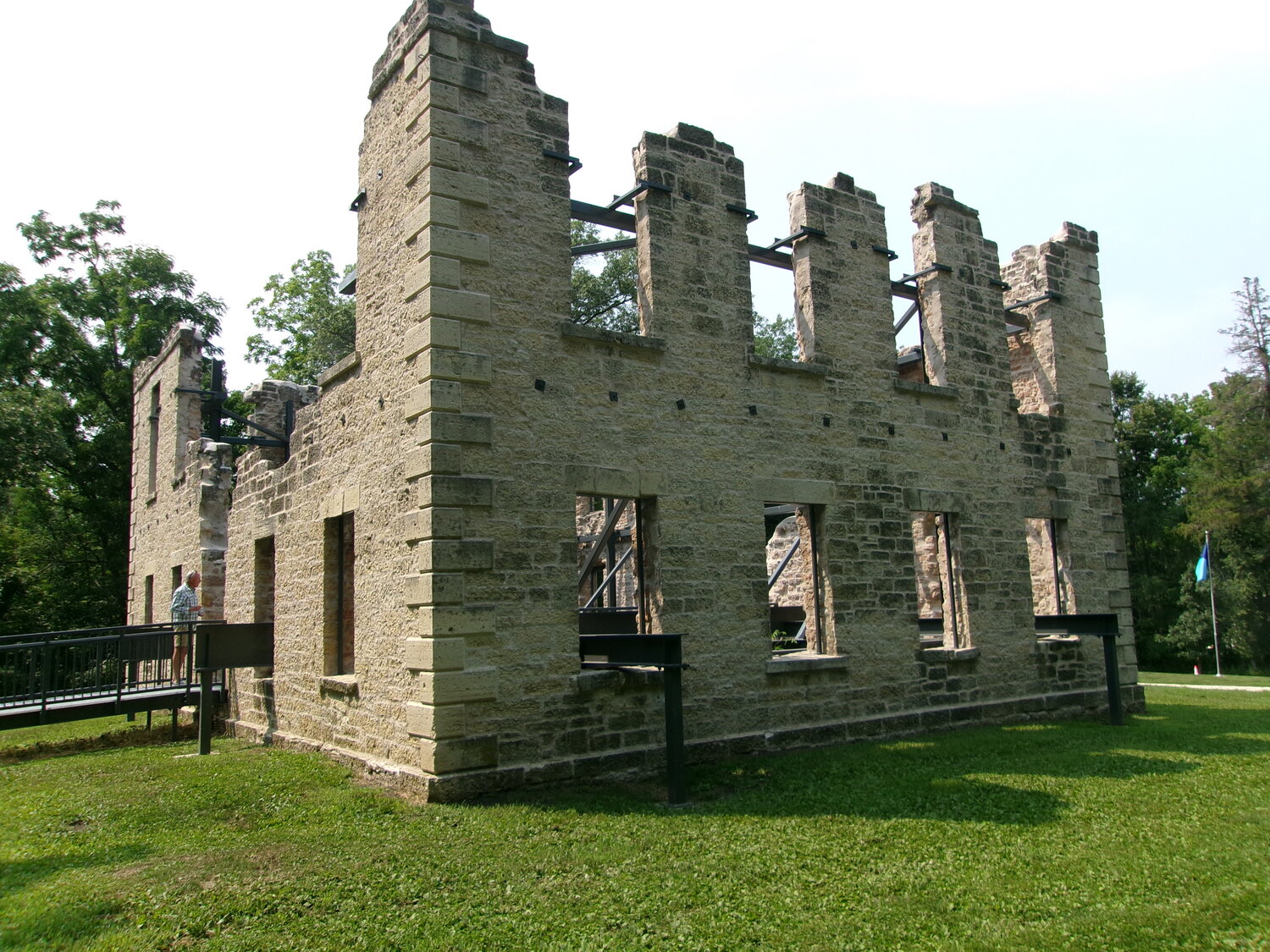
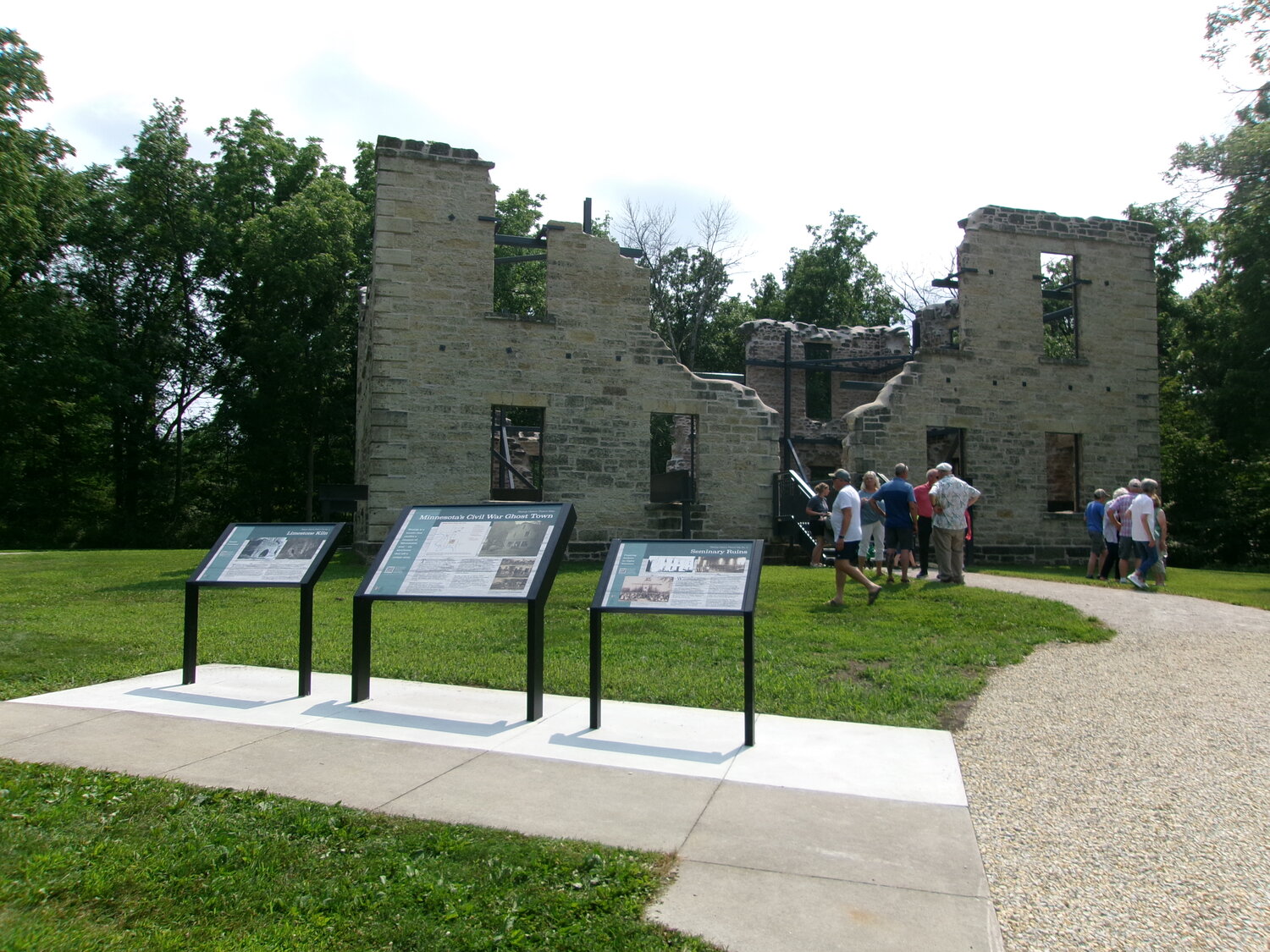
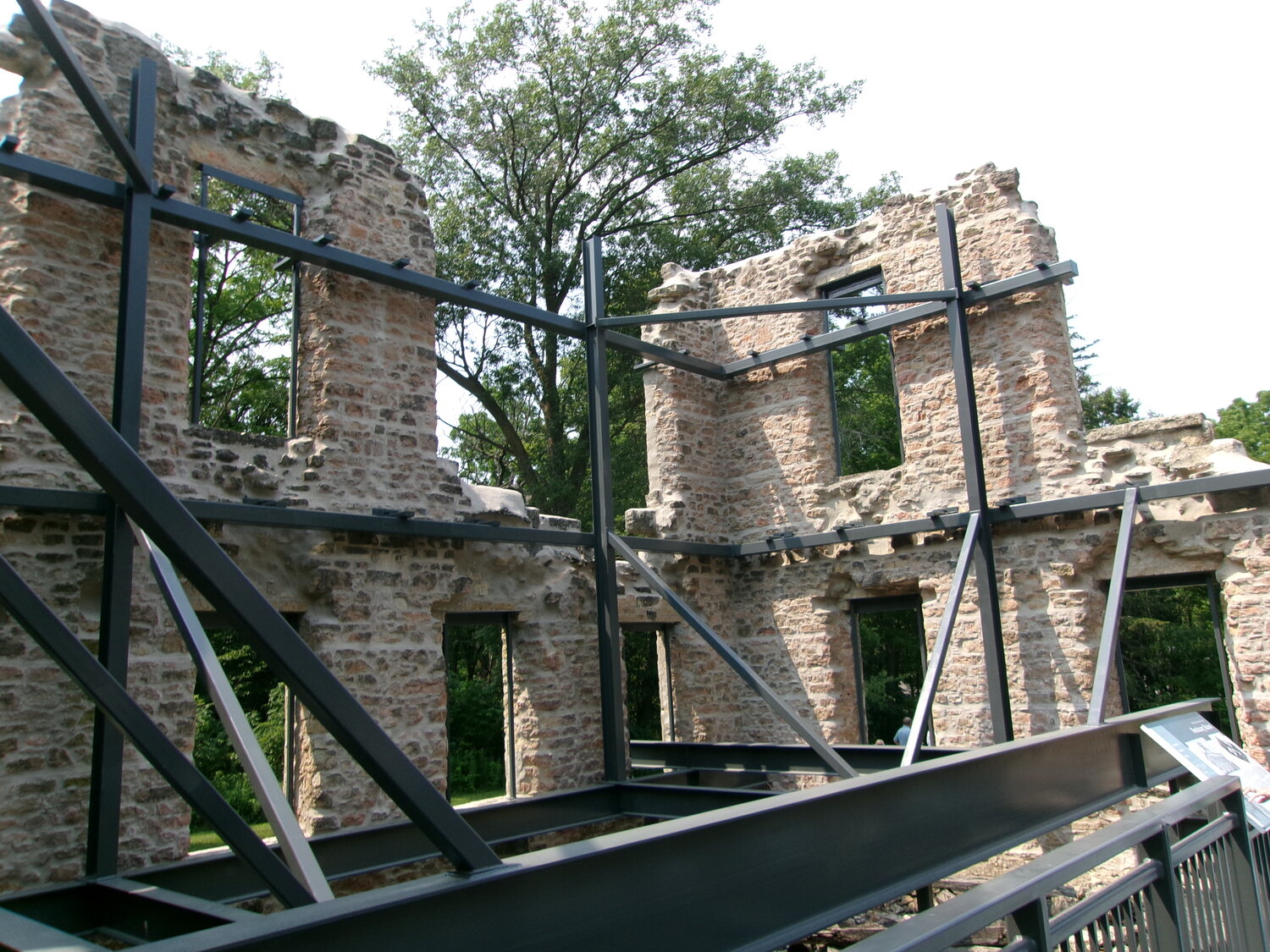
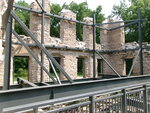
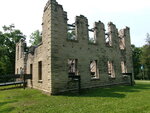
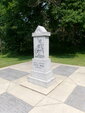
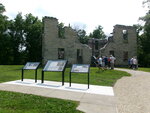
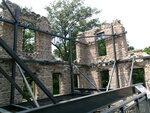
On July 28, a formal ribbon-cutting ceremony marked the completion of the stabilization of the Wasioja Seminary ruins. The project reflects years of dedicated effort by many Minnesotans, from local historians to state legislators who supported funding through a grant provided by an appropriation to the Minnesota Historical Society.
Speakers at the event included Dodge County Commissioner Dave Kenworthy; former State Senator Dave Senjem, who now serves as an Olmsted County Commissioner; State Representative Duane Quam; State Senator Carla Nelson; and local historian Jim Checkel.
The speakers emphasized the significance of the Seminary ruins in Minnesota history. The structure is the last remaining remnant of the original buildings from the first three higher education institutions in the state: the University of Minnesota, founded in 1851; Hamline University, founded in 1854; and Wasioja Seminary, founded in 1860.
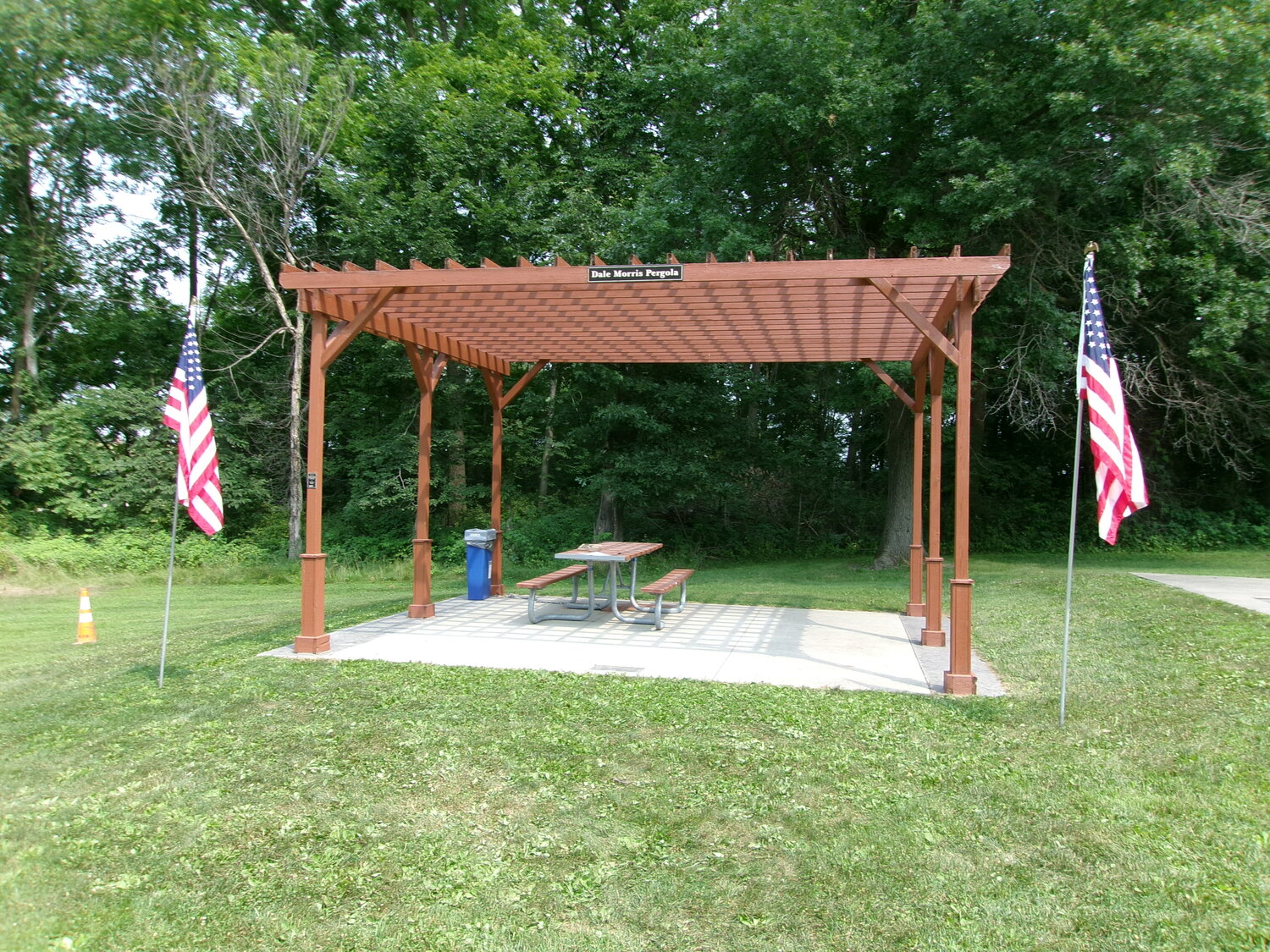
The speakers also honored the contributions of David Hanson and Dale Morris, two individuals who worked for years to identify ways to stabilize the ruins before funding became available and who worked tirelessly for the dream.
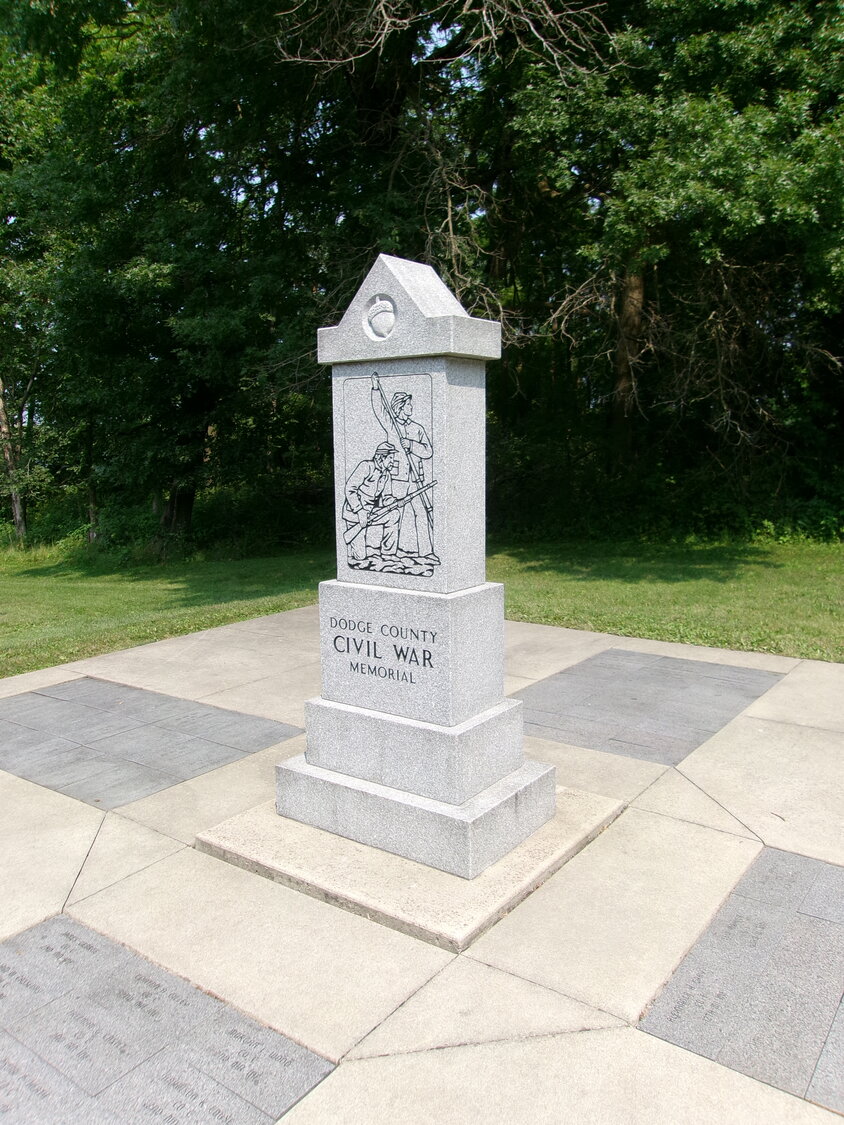
The speakers reflected on how the stabilized structure will help future generations understand the themes of sacrifice and service. They recalled how students from Wasioja Seminary walked from the school to the nearby recruitment office to volunteer as some of the first Minnesotans to serve in the Union Army during the Civil War, following President Lincoln’s call for troops.
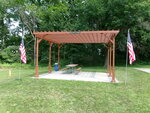
Many attendees at the ribbon-cutting ceremony were able to sit in the shade on benches constructed as part of an Eagle Scout project. The names of the “Boys of Wasioja”—the students who volunteered to serve in the spring of 1861—are carved into the backs of the benches. With the stabilization complete, the building where their historic walk began will remain standing for future generations to see.
The project was the culmination of efforts by numerous volunteers and by Architect Angela Wolf Scott from MacDonald & Mack Architects; Archeologist Jeremy Nienow, formerly Nienow Cultural Consultants, now Braun Intertec; and Contractor Ray Stenglein, Environmental Associates, Inc.